rovided by the application to uniquely identify it. * @type string $name The name of the application password. * @type string $password A one-way hash of the password. * @type int $created Unix timestamp of when the password was created. * @type null $last_used Null. * @type null $last_ip Null. * } * @param string $new_password The generated application password in plain text. * @param array $args { * Arguments used to create the application password. * * @type string $name The name of the application password. * @type string $app_id A UUID provided by the application to uniquely identify it. * } */ do_action( 'wp_create_application_password', $user_id, $new_item, $new_password, $args ); return array( $new_password, $new_item ); } /** * Gets a user's application passwords. * * @since 5.6.0 * * @param int $user_id User ID. * @return array { * The list of application passwords. * * @type array ...$0 { * @type string $uuid The unique identifier for the application password. * @type string $app_id A UUID provided by the application to uniquely identify it. * @type string $name The name of the application password. * @type string $password A one-way hash of the password. * @type int $created Unix timestamp of when the password was created. * @type int|null $last_used The Unix timestamp of the GMT date the application password was last used. * @type string|null $last_ip The IP address the application password was last used by. * } * } */ public static function get_user_application_passwords( $user_id ) { $passwords = get_user_meta( $user_id, static::USERMETA_KEY_APPLICATION_PASSWORDS, true ); if ( ! is_array( $passwords ) ) { return array(); } $save = false; foreach ( $passwords as $i => $password ) { if ( ! isset( $password['uuid'] ) ) { $passwords[ $i ]['uuid'] = wp_generate_uuid4(); $save = true; } } if ( $save ) { static::set_user_application_passwords( $user_id, $passwords ); } return $passwords; } /** * Gets a user's application password with the given UUID. * * @since 5.6.0 * * @param int $user_id User ID. * @param string $uuid The password's UUID. * @return array|null { * The application password if found, null otherwise. * * @type string $uuid The unique identifier for the application password. * @type string $app_id A UUID provided by the application to uniquely identify it. * @type string $name The name of the application password. * @type string $password A one-way hash of the password. * @type int $created Unix timestamp of when the password was created. * @type int|null $last_used The Unix timestamp of the GMT date the application password was last used. * @type string|null $last_ip The IP address the application password was last used by. * } */ public static function get_user_application_password( $user_id, $uuid ) { $passwords = static::get_user_application_passwords( $user_id ); foreach ( $passwords as $password ) { if ( $password['uuid'] === $uuid ) { return $password; } } return null; } /** * Checks if an application password with the given name exists for this user. * * @since 5.7.0 * * @param int $user_id User ID. * @param string $name Application name. * @return bool Whether the provided application name exists. */ public static function application_name_exists_for_user( $user_id, $name ) { $passwords = static::get_user_application_passwords( $user_id ); foreach ( $passwords as $password ) { if ( strtolower( $password['name'] ) === strtolower( $name ) ) { return true; } } return false; } /** * Updates an application password. * * @since 5.6.0 * @since 6.8.0 The actual password should now be hashed using wp_fast_hash(). * * @param int $user_id User ID. * @param string $uuid The password's UUID. * @param array $update { * Information about the application password to update. * * @type string $uuid The unique identifier for the application password. * @type string $app_id A UUID provided by the application to uniquely identify it. * @type string $name The name of the application password. * @type string $password A one-way hash of the password. * @type int $created Unix timestamp of when the password was created. * @type int|null $last_used The Unix timestamp of the GMT date the application password was last used. * @type string|null $last_ip The IP address the application password was last used by. * } * @return true|WP_Error True if successful, otherwise a WP_Error instance is returned on error. */ public static function update_application_password( $user_id, $uuid, $update = array() ) { $passwords = static::get_user_application_passwords( $user_id ); foreach ( $passwords as &$item ) { if ( $item['uuid'] !== $uuid ) { continue; } if ( ! empty( $update['name'] ) ) { $update['name'] = sanitize_text_field( $update['name'] ); } $save = false; if ( ! empty( $update['name'] ) && $item['name'] !== $update['name'] ) { $item['name'] = $update['name']; $save = true; } if ( $save ) { $saved = static::set_user_application_passwords( $user_id, $passwords ); if ( ! $saved ) { return new WP_Error( 'db_error', __( 'Could not save application password.' ) ); } } /** * Fires when an application password is updated. * * @since 5.6.0 * @since 6.8.0 The password is now hashed using wp_fast_hash() instead of phpass. * Existing passwords may still be hashed using phpass. * * @param int $user_id The user ID. * @param array $item { * The updated application password details. * * @type string $uuid The unique identifier for the application password. * @type string $app_id A UUID provided by the application to uniquely identify it. * @type string $name The name of the application password. * @type string $password A one-way hash of the password. * @type int $created Unix timestamp of when the password was created. * @type int|null $last_used The Unix timestamp of the GMT date the application password was last used. * @type string|null $last_ip The IP address the application password was last used by. * } * @param array $update The information to update. */ do_action( 'wp_update_application_password', $user_id, $item, $update ); return true; } return new WP_Error( 'application_password_not_found', __( 'Could not find an application password with that id.' ) ); } /** * Records that an application password has been used. * * @since 5.6.0 * * @param int $user_id User ID. * @param string $uuid The password's UUID. * @return true|WP_Error True if the usage was recorded, a WP_Error if an error occurs. */ public static function record_application_password_usage( $user_id, $uuid ) { $passwords = static::get_user_application_passwords( $user_id ); foreach ( $passwords as &$password ) { if ( $password['uuid'] !== $uuid ) { continue; } // Only record activity once a day. if ( $password['last_used'] + DAY_IN_SECONDS > time() ) { return true; } $password['last_used'] = time(); $password['last_ip'] = $_SERVER['REMOTE_ADDR']; $saved = static::set_user_application_passwords( $user_id, $passwords ); if ( ! $saved ) { return new WP_Error( 'db_error', __( 'Could not save application password.' ) ); } return true; } // Specified application password not found! return new WP_Error( 'application_password_not_found', __( 'Could not find an application password with that id.' ) ); } /** * Deletes an application password. * * @since 5.6.0 * * @param int $user_id User ID. * @param string $uuid The password's UUID. * @return true|WP_Error Whether the password was successfully found and deleted, a WP_Error otherwise. */ public static function delete_application_password( $user_id, $uuid ) { $passwords = static::get_user_application_passwords( $user_id ); foreach ( $passwords as $key => $item ) { if ( $item['uuid'] === $uuid ) { unset( $passwords[ $key ] ); $saved = static::set_user_application_passwords( $user_id, $passwords ); if ( ! $saved ) { return new WP_Error( 'db_error', __( 'Could not delete application password.' ) ); } /** * Fires when an application password is deleted. * * @since 5.6.0 * * @param int $user_id The user ID. * @param array $item The data about the application password. */ do_action( 'wp_delete_application_password', $user_id, $item ); return true; } } return new WP_Error( 'application_password_not_found', __( 'Could not find an application password with that id.' ) ); } /** * Deletes all application passwords for the given user. * * @since 5.6.0 * * @param int $user_id User ID. * @return int|WP_Error The number of passwords that were deleted or a WP_Error on failure. */ public static function delete_all_application_passwords( $user_id ) { $passwords = static::get_user_application_passwords( $user_id ); if ( $passwords ) { $saved = static::set_user_application_passwords( $user_id, array() ); if ( ! $saved ) { return new WP_Error( 'db_error', __( 'Could not delete application passwords.' ) ); } foreach ( $passwords as $item ) { /** This action is documented in wp-includes/class-wp-application-passwords.php */ do_action( 'wp_delete_application_password', $user_id, $item ); } return count( $passwords ); } return 0; } /** * Sets a user's application passwords. * * @since 5.6.0 * * @param int $user_id User ID. * @param array $passwords { * The list of application passwords. * * @type array ...$0 { * @type string $uuid The unique identifier for the application password. * @type string $app_id A UUID provided by the application to uniquely identify it. * @type string $name The name of the application password. * @type string $password A one-way hash of the password. * @type int $created Unix timestamp of when the password was created. * @type int|null $last_used The Unix timestamp of the GMT date the application password was last used. * @type string|null $last_ip The IP address the application password was last used by. * } * } * @return int|bool User meta ID if the key didn't exist (ie. this is the first time that an application password * has been saved for the user), true on successful update, false on failure or if the value passed * is the same as the one that is already in the database. */ protected static function set_user_application_passwords( $user_id, $passwords ) { return update_user_meta( $user_id, static::USERMETA_KEY_APPLICATION_PASSWORDS, $passwords ); } /** * Sanitizes and then splits a password into smaller chunks. * * @since 5.6.0 * * @param string $raw_password The raw application password. * @return string The chunked password. */ public static function chunk_password( #[\SensitiveParameter] $raw_password ) { $raw_password = preg_replace( '/[^a-z\d]/i', '', $raw_password ); return trim( chunk_split( $raw_password, 4, ' ' ) ); } /** * Hashes a plaintext application password. * * @since 6.8.0 * * @param string $password Plaintext password. * @return string Hashed password. */ public static function hash_password( #[\SensitiveParameter] string $password ): string { return wp_fast_hash( $password ); } /** * Checks a plaintext application password against a hashed password. * * @since 6.8.0 * * @param string $password Plaintext password. * @param string $hash Hash of the password to check against. * @return bool Whether the password matches the hashed password. */ public static function check_password( #[\SensitiveParameter] string $password, string $hash ): bool { if ( ! str_starts_with( $hash, '$generic$' ) ) { /* * If the hash doesn't start with `$generic$`, it is a hash created with `wp_hash_password()`. * This is the case for application passwords created before 6.8.0. */ return wp_check_password( $password, $hash ); } return wp_verify_fast_hash( $password, $hash ); } } VARIOUS - KOKO MOJO DINER VOL.2 CORNBRED & CABBAGE GREENS - KOKO MOJO CD - No Hit Records

VARIOUS – KOKO MOJO DINER VOL.2 CORNBRED & CABBAGE GREENS – KOKO MOJO CD
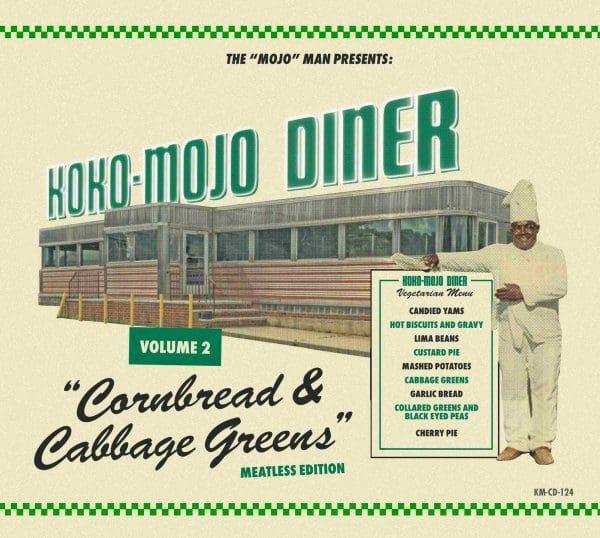
THE “MOJO” MAN SEZ: I’m proud to present a tasty selection of tunes about “Soul Food” and other stuff black folks like to eat on four complementary volumes. If you don’t know what’s this all about let me put y’all wise: Soul food is an ethnic cuisine traditionally prepared and eaten by African Americans, originating in the Southern United States. This cuisine originated with the foods that were given to enslaved West Africans on southern plantations during the American colonial period; however, it was strongly influenced by the traditional practices of West Africans and Native Americans. Due to the historical presence of African Americans in the region, soul food is closely associated with the cuisine of the American South although today it has become an easily identifiable and celebrated aspect of mainstream American food culture. It fashioned from the meager ingredients available to the slave and sharecropper black families. The meat used was usually the least desirable cuts (stuff white people would throw away) and the vegetables, some bordering on weeds, were all that was available for the black slaves to prepare nutritious meals for their families. From these meager ingredients evolved a cuisine that is simple yet hearty and delicious… Every ethnic group has what it calls “soul food” – soothing, comfort food that brings back warm memories of family dinners, however, today, the term “soul food” simply means African-American cuisine. Do you like “Kentucky Fried Chicken”? Colonel Sanders’ original Kentucky Fried Chicken recipe was stolen from a black woman. Do you like to eat Potato Chips? Thank a black chef named George Crum. Do you like Jack Daniel’s? A black man named Nathan “Nearest” Green taught Jack Daniel an ancient African technique that filtered liquor through a charcoal mellowing system. This technique is what gives Jack Daniel’s Whiskey its rich flavor and taste. Do you like to drink Coca-Cola or Pepsi-Cola? You can thank enslaved Africans. They brought the kola nut – one of the main parts of Coca-Cola – to what is now the United States. West Africans chewed the nut for its caffeine. Enslaved Africans also brought watermelon, okra, yams, black-eyed peas, and some peppers. These foods are commonly eaten in the U.S. today. They show how Africans forced into slavery – beginning in the 1500s – influenced the American diet. Frederick Opie wrote a book about some of the foods that connect Africa and America. The book is called “Hog and Hominy: Soul Food from Africa to America.” Opie explains that people who were bringing enslaved Africans to North America wanted to keep them alive and earn a profit. As a result, Africans on the slave ships were fed food they knew and liked. Those foods landed along with the people. Opie explains that fruits and vegetables brought from Africa grew well in America. One reason is that enslaved Africans planted their own gardens to help feed themselves. In time, the plants from Africa slowly moved from gardens of the enslaved to those of the wealthy and powerful. For example, the homes of U.S. presidents George Washington and Thomas Jefferson had gardens planted with seeds from Africa. Those fruits and vegetables changed the way cooks made pies in America. In England, pies were made with meat. African-Americans took the English meat pie and made it with fruit or vegetables, such as sweet potatoes. Enslaved cooks developed gumbo, jambalaya, pepper pot, and a mix of green leafy vegetables and pork called Hoppin’ John. Some ways of cooking that are well-known in the U.S. today were reported in West Africa before 1500. They include deep-frying fish and barbecuing meats. These kinds of foods were critical to the creation of Southern, and in time American, food. Many of these foods with roots in African American culture came to be known as “soul food.” The name was a way to identify food that African Americans began to create a long time ago to eat with dignity as enslaved people. The expression “soul food” originated around 1960 when the word “soul” began to be commonly and largely used to describe African American culture. Enjoy your meal, Y’all! Little Victor Mac (a.k.a. DJ “Mojo” Man)

01. Wynonie Harris – Git With The Grits (Glover) King 4814

02. B. Brown And His Rockin’ McVouts – Candied Yams (Brown, Robinson) Vest 830

03. Marvin Phillips & The Good Timers – Hot Biscuits And Gravy (Doro, Phillips) Eastman 800

04. Bill Parker and his Band – Sweet Potato (Shuler) Hollywood 45-1090

05. The Ink Spots – Do-Nuts (Unknown) Stereo Spectrum SDLP-154

06. Jody Williams – Moaning For Molasses (Williams) Smash 1801

07. Roy Lee Johnson – Black Pepper Make You Sneeze (Johnson) Okeh 4-7160

08. Ike Turner’s Kings of Rhythm – Potato Mash (Turner) Sue 2003

09. Washboard Sam – Good Old Cabbage Greens (Broonzy, Dupree) Bluebird 34-0705

10. Garry & Larry – Garlic Bread (Hart) Goliath 600

11. Slim Gaillard and his Bakers Dozen – Potatoe Chips (Carr, Bunora) Mercury 89031

12. Felix and his Guitar – Chili Beans (Garcia) Aut 45-1

13. Marvin & Johnny – Cherry Pie (Josea) Kent 45×303

14. Bud Powell – Collared Greens and Black Eyed Peas (Pettiford) Blue Note 1629

15. Louis Jordan – Beans And Cornbread (Moore, Clark) Decca 24673

16. The Intruders – Fried Eggs (Smith, Clark, Mitchell) Fame FM-101

17. Eddy Ware and his Band – Lima Beans (Ware) Chess 1461

18. Ben Hughes – Sack (Brontt, Stryker) Speciality 630

19. Riff Ruffin – Gravy Train (Ruffin) Fire 1019

20. The Triumphs – Burnt Biscuits (Moman) Volt 100

21. Dee Dee Sharp – Gravy (For My Mashed Potatoes) (Appell, Mann) Cameo C-219

22. Matthew Childs And His Three Buddys – Funky Onions (Childs) Rae Cox 1002

23. Julia Lee & Her Boy Friends – The Spinach Song (I Didn’t Like It The First Time) (Gordon, Gomez) Capitol 15367

24. Hal Singer Sextet – Corn Bread (Singer) Savoy 671

25. Sonny Terry & Brownie McGee – Custard Pie Blues (Terry) Metronome B 1352

26. Nat Kendrick and The Swans – (Do The) Mashed Potatoes Part 1 (Rozier) Dade 1804

27. Sonny Terry & Brownie McGhee – Cornbread and Peas (Terry, McGhee) Fantasy 3317

28. Joe Houston and his Rockets – Cornbread & Cabbage Greens (Henry) Tops L1518

Share this:

£ 11.00

Add to Basket

Release Date:

Format: CD Album

Secret Link